




The Vital Role of Regular Tire Rotations for Wyoming Drivers
Maintaining a vehicle in south-central Wyoming requires a proactive approach to maintenance, especially given the rugged hills and high desert expanses that define our local landscape. Protect your investment and ensure optimal traction with a certified tire rotation.
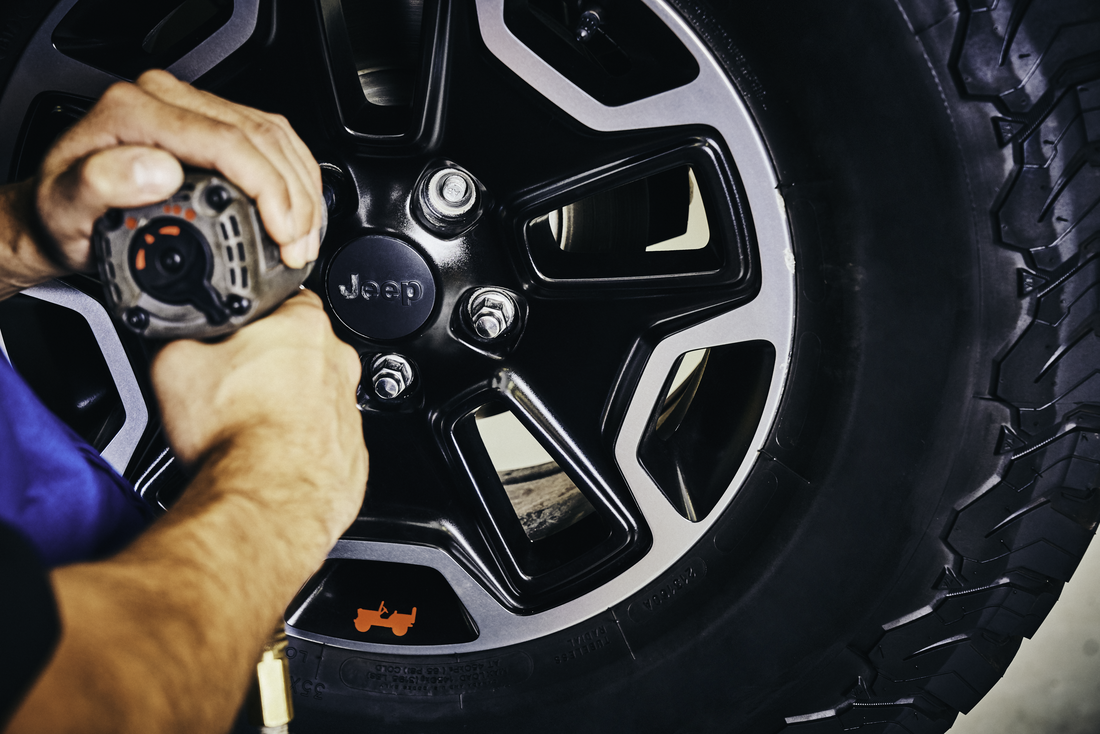
Most manufacturers, including the teams behind Chrysler, Dodge, Jeep, and Ram, recommend moving your tires to different positions every 6,000–8,000 miles. This interval often aligns with your regularly scheduled oil changes, making it a convenient time to let our certified technicians inspect your tread depth and overall tire health.
When we talk with truck owners who frequent the high plateau roads around Rawlins, they often ask about the specific wear patterns they see after a season of heavy hauling or navigating sagebrush steppe terrain. Because the front tires on most vehicles handle the majority of steering and braking forces, they tend to wear out faster than the rear set. By repositioning them regularly, we ensure that the friction and torque are distributed more evenly across all four tires. This practice not only extends the life of the rubber but also maintains the balanced handling you need when driving through unpredictable weather.
Consistent maintenance is the backbone of vehicle longevity. When you schedule service with our team, we perform a thorough check of each tire's condition to identify any developing issues before they become safety concerns. For those who have recently upgraded their ride, our Fremont Care program provides a structured way to keep up with these essential tasks. If you are currently driving one of our quality used vehicles, staying on top of rotations is even more critical to ensure you get the maximum mileage out of your current set of tires. To get started, you can find our service center location right on Cedar Street, or simply give us a quick call to find a time that works for your schedule.
How Neglecting Tire Care Impacts Your Vehicle's Performance
Ignoring the need for a tire rotation can lead to a domino effect of mechanical issues that go far beyond just needing new tires sooner. When tread wears unevenly, the vehicle’s ability to grip the road is compromised. This is particularly dangerous during the winter months when snow and ice require maximum traction for safe stopping and cornering. For residents in Sinclair who commute to the refinery daily, the consistent torque applied to tires on paved and industrial surfaces can accelerate wear if the tires are left in the same position for too long.
Uneven tread also places unnecessary stress on your vehicle’s drivetrain. In 4WD and AWD systems, the computer and mechanical components expect all four tires to have roughly the same diameter. If two tires are significantly more worn than the others, the system may work harder to compensate for the slight difference in rotational speed. Over time, this can lead to increased wear on expensive components like differentials and transfer cases. Furthermore, tires with uneven tread patterns often create more rolling resistance, which forces your engine to work harder and can noticeably drop your fuel efficiency.
Beyond the mechanical strain, there is the issue of ride quality. Tires that have developed "cupping" or "feathering" due to a lack of rotation often produce a loud humming noise or vibrations that can be felt through the steering wheel. These vibrations aren't just annoying; they can eventually affect your suspension components and wheel bearings. Our team focuses on preventing these high-cost repairs by identifying wear patterns early, ensuring your vehicle remains dependable for the long rural commutes typical of our region.
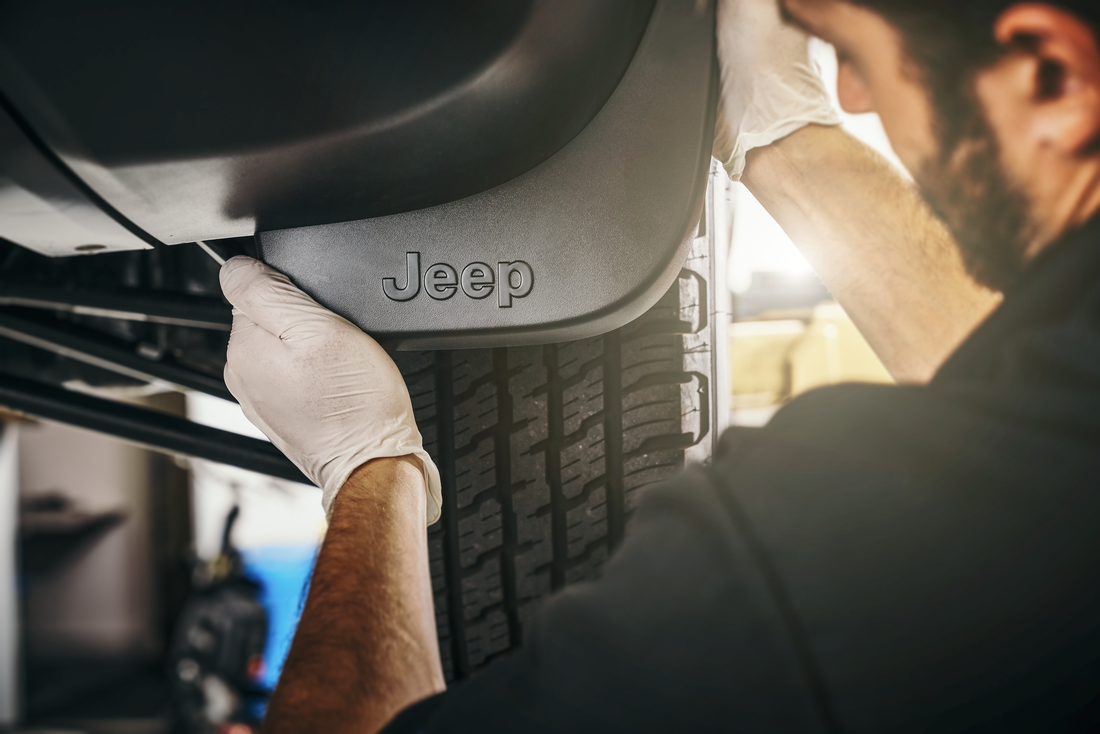
Understanding Rotation Patterns: From Front-Wheel Drive to Directional Tires
The specific pattern used to rotate your tires depends entirely on your vehicle's drivetrain and the type of tires installed. For most front-wheel-drive vehicles, we typically use a "Forward Cross" pattern. In this scenario, the front tires move directly to the back, while the rear tires move to the front but switch sides. This ensures that the tires that were previously handling the steering and power delivery get a break on the rear axle, while the rear tires are introduced to the front in a way that balances out their wear.
For heavy-duty trucks and SUVs equipped with 4WD, an "X-Pattern" or "Rearward Cross" is often the preferred method. In a rearward cross, the front tires move diagonally to the opposite rear positions, and the rear tires move straight forward. This is essential for maintaining the integrity of the drivetrain and ensuring that the high-torque output of a Ram 2500 or a Jeep Wrangler doesn't chew through a single pair of tires prematurely. Even for those driving affordable vehicles under $20,000, following these specific manufacturer patterns is the best way to avoid the expense of a premature four-tire replacement.
Directional tires require a different approach entirely. These tires are designed with a tread pattern that must rotate in one specific direction to effectively channel water or snow. Because of this design, they cannot be switched from the left side of the vehicle to the right. Instead, they must stay on the same side and simply swap front-to-back positions. If your vehicle uses a staggered fitment—where the front tires are a different size than the rears—a side-to-side rotation is used. Our technicians are trained to identify these specific needs quickly, ensuring the job is done right the first time.
Professional Service vs. DIY Tire Rotations
While some owners may consider rotating their tires at home, there are several practical advantages to choosing a professional service. One of the most critical steps in a rotation is ensuring the lug nuts are tightened to the exact manufacturer torque specs. Using an impact wrench without a torque stick or failing to use a calibrated torque wrench can lead to warped brake rotors or, in extreme cases, a wheel coming loose. Our shop uses professional-grade tools to ensure every wheel is secured exactly as the factory intended.
Another benefit of professional care is the opportunity for a multi-point inspection. When your vehicle is up on a lift, our technicians can see things that are nearly impossible to spot while the truck is on the ground.
Our Multi-Point Inspection Includes:
- Brake pad thickness and rotor condition
- Suspension bushings and ball joint wear
- Signs of leaks in the shocks or struts
- Wear indicators signaling an alignment need
Modern vehicles feature a Tire Pressure Monitoring System (TPMS). We utilize specialized diagnostic equipment to correctly re-learn your sensor locations post-rotation.
Common Questions About Tire Maintenance
Keep Your Ride Safe and Dependable with Expert Care
Taking care of your tires is one of the simplest and most cost-effective ways to ensure your vehicle remains a reliable partner for work and family life. A quick visit for a rotation can save you hundreds of dollars in premature tire replacements while maintaining critical fuel efficiency and safety.
Visit us at 823 E Cedar St, Rawlins, WY 82301 or schedule below.