



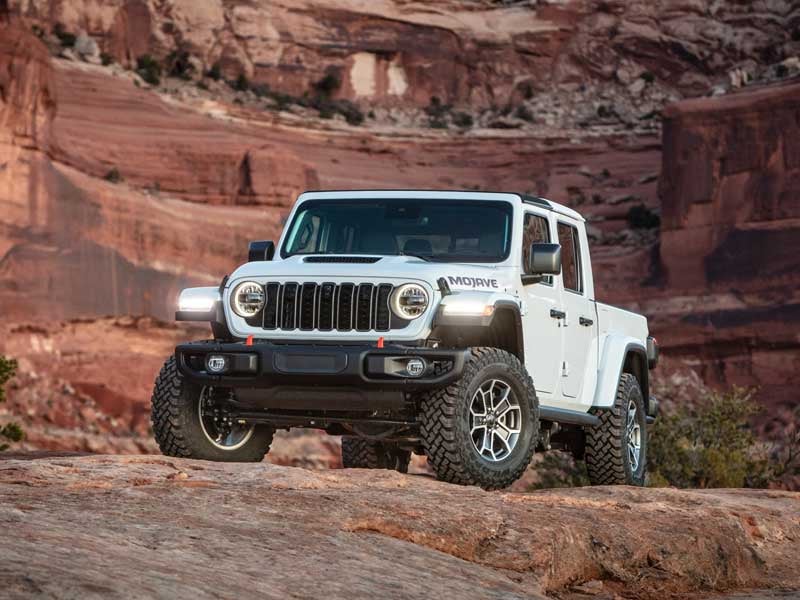
When to Replace Jeep Brakes in Wyoming: Service Signs and Seasonal Care
Knowing when to replace Jeep brakes in Wyoming starts with paying attention to squealing noises, brake pedal vibration, longer stopping distances, or a spongy pedal feel. At Fremont Chrysler Dodge Jeep RAM Rawlins, our service team inspects Jeep Wrangler, Jeep Grand Cherokee, and Jeep Gladiator braking systems every day for drivers traveling Interstate 80, Carbon County gravel roads, and nearby mountain passes.
Between freezing winter mornings, steep elevation drops, and heavy road de-icing treatments, Wyoming driving wears down brake pads, brake rotors, and brake calipers faster than mild-climate commuting. If you notice any early warning signs or want to shop for a new or pre-owned Jeep, visit us at 823 E Cedar St, Rawlins, WY 82301.
Five Warning Signs Your Jeep Needs Brake Service Now
Your Jeep gives clear physical and audible signals when friction material wears thin or hydraulic pressure drops. Addressing these symptoms early protects your brake rotors and brake calipers from avoidable damage.
- High-pitched squealing or metallic grinding: Many brake pads include a small metal wear tab that squeaks when friction material gets low. If that squeak turns into a deep grinding sound, the pad backing plate may be contacting the brake rotor surface directly.
- Steering wheel or pedal pulsation on descents: A rhythmic vibration when you press the brake pedal often points to uneven rotor thickness or heat-warped brake rotors caused by repeated braking down steep hills.
- Longer stopping distances on slick pavement: When brake pads glaze over from high heat or wear thin, your Jeep requires extra distance to slow down on snow, ice, or wet asphalt along Interstate 80.
- Soft, spongy, or sinking brake pedal: A pedal that travels closer to the floor than usual can signal air in the lines, moisture-contaminated brake fluid, or a hydraulic leak in a hose or caliper seal.
- Pulling to one side or an active ABS warning light: If your Jeep pulls left or right while braking, one brake caliper may be sticking. An illuminated Anti-lock Braking System (ABS) or red brake warning light also calls for immediate inspection.
How Wyoming Driving Conditions Affect Jeep Brake Components
Standard mileage estimates rarely tell the full story for drivers in Rawlins, Sinclair, Saratoga, and Laramie. Local terrain and winter weather place specific mechanical stress on every part of your Jeep braking system.
Steep Mountain Grades and Heat
Descending grades in the Snowy Range or Sierra Madre mountains builds intense friction heat. Downshifting with your transmission helps reduce brake fade and keeps brake rotors from overheating.
Magnesium Chloride and Road Salt
Winter de-icing chemicals stick to undercarriage hardware across Interstate 80. Without periodic cleaning, magnesium chloride corrodes brake caliper slide pins, backing plates, and steel brake lines.
Gravel, Mud, and High-Desert Dust
Ranch roads and off-highway trails around Carbon County pack fine grit between brake pads and rotors. Abrasive dust accelerates pad wear and can score rotor faces prematurely.
Towing campers, utility trailers, or work gear behind a Jeep Gladiator or Jeep Grand Cherokee also increases kinetic energy that your brakes must absorb during every stop. Frequent towing makes routine brake inspections even more important.
Brake Pad, Rotor, and Brake Fluid Inspection Intervals
Our technicians recommend having your Jeep brakes measured during every tire rotation or seasonal oil service. Checking pad thickness, rotor condition, and brake fluid quality together helps you plan maintenance before a minor wear item becomes a major repair.
| Brake Component | What Technicians Inspect | Wyoming Replacement Trigger |
|---|---|---|
| Brake Pads | Remaining friction material thickness and evenness across inner and outer pads | Pads worn down near the wear indicator or showing uneven taper from sticking hardware |
| Brake Rotors | Surface scoring, rust pitting, lateral runout, and rotor thickness specification | Deep grooves, heat spots, vibration under braking, or thickness below factory limits |
| Brake Calipers | Piston boot integrity, smooth slide pin travel, and fluid sealing | Seized slide pins, torn dust boots, uneven pad wear, or leaking seals |
| Brake Fluid | Moisture absorption percentage, color clarity, and reservoir level | High moisture content (which lowers boiling point and freezes in winter) or dark fluid |
Why Service Your Jeep Brakes at Fremont Chrysler Dodge Jeep RAM Rawlins
When you bring your vehicle to our service bays at 823 E Cedar St in Rawlins, WY, you work directly with factory-trained technicians who service Chrysler, Dodge, Jeep, and RAM vehicles every day. We install genuine Mopar brake pads, Mopar rotors, and manufacturer-specified brake fluid built for the exact weight and 4x4 hardware of your Jeep.
If your current vehicle needs extensive repairs and you have been thinking about upgrading to a newer SUV or pickup, our showroom team can also walk you through our lineup of Jeep, RAM, Dodge, and Chrysler models. Eligible new and pre-owned vehicle purchases at our Rawlins store come with Fremont Care, which provides two oil changes and two tire rotations within the initial 12 months of ownership, giving you regular opportunities for our technicians to check your brake pad thickness.
Call our service desk at (307) 417-5007 or schedule your brake inspection online before winter storms or long highway trips.
Frequently Asked Questions About Jeep Brake Replacement in Wyoming
How often should Jeep brake pads be inspected in Wyoming?
Have your brake pads and rotors visually inspected every time you rotate your tires or change your oil, roughly every six months or before winter and summer travel seasons. Drivers who regularly haul trailers or travel gravel roads in Carbon County benefit from frequent checks.
Why do my Jeep brakes squeak on cold Rawlins mornings?
Light surface rust forms overnight on exposed iron brake rotors when moisture, snow, or magnesium chloride sits on the metal. A brief squeak during your first few stops usually clears as the pads wipe the rotor clean, whereas constant squealing indicates worn brake pads.
Can I replace only the brake pads without replacing the rotors?
If your brake rotors remain smooth, flat, and above the factory thickness specification, technicians may be able to resurface or reuse them. Rotors with rust ridges, heat cracks, or thickness below factory limits should be replaced alongside new pads for safe stopping performance.
How does towing affect brake wear on a Jeep Wrangler or Gladiator?
Added trailer weight increases stopping load and heat buildup in the pads and rotors, especially on long highway grades. Checking trailer brake controllers and downshifting on steep descents helps preserve your Jeep braking components.
Fremont Care applies to eligible vehicle purchases and includes 2 oil changes and 2 tire rotations within the initial 12 months of ownership; see Fremont Chrysler Dodge Jeep RAM Rawlins for complete eligibility details. Always consult your Jeep owner's manual for model-specific brake fluid and maintenance intervals.